
In Botswana, like in most countries across Sub-Saharan Africa, the majority of people still rely on the use of toxic, polluting, biomass fuel to cook and heat in their homes. Data shows that 46% of households nationwide still don’t have access to clean cooking and that, that number is 80% in rural areas. This of course is a poverty issue, as the majority of people live in rural areas and most of them live below the poverty line. However it is also largely a gender issue and affects mostly women and girls as they are the primary caregivers in almost all households. Women and children comprise a majority of the reported 490,000 premature deaths yearly that occur due to indoor air pollution as a result of use of toxic biomass fuel to cook.
Our team is on a mission to tackle the pervasive challenge of limited access to clean, reliable, and affordable heating energy in Botswana and Sub-Saharan Africa. In Botswana, a staggering 46% of households nationwide, and a staggering 80% in rural areas, still rely on harmful and polluting biomass fuel for cooking and heating.
In urban and suburban areas, especially in townships where many reside in rented spaces, a majority turn to cleaner alternatives such as LPG gas and electricity but grapple with the burden of exorbitant costs. Recognising these critical issues, we have pioneered a comprehensive solution to revolutionise the heating energy landscape in our country.
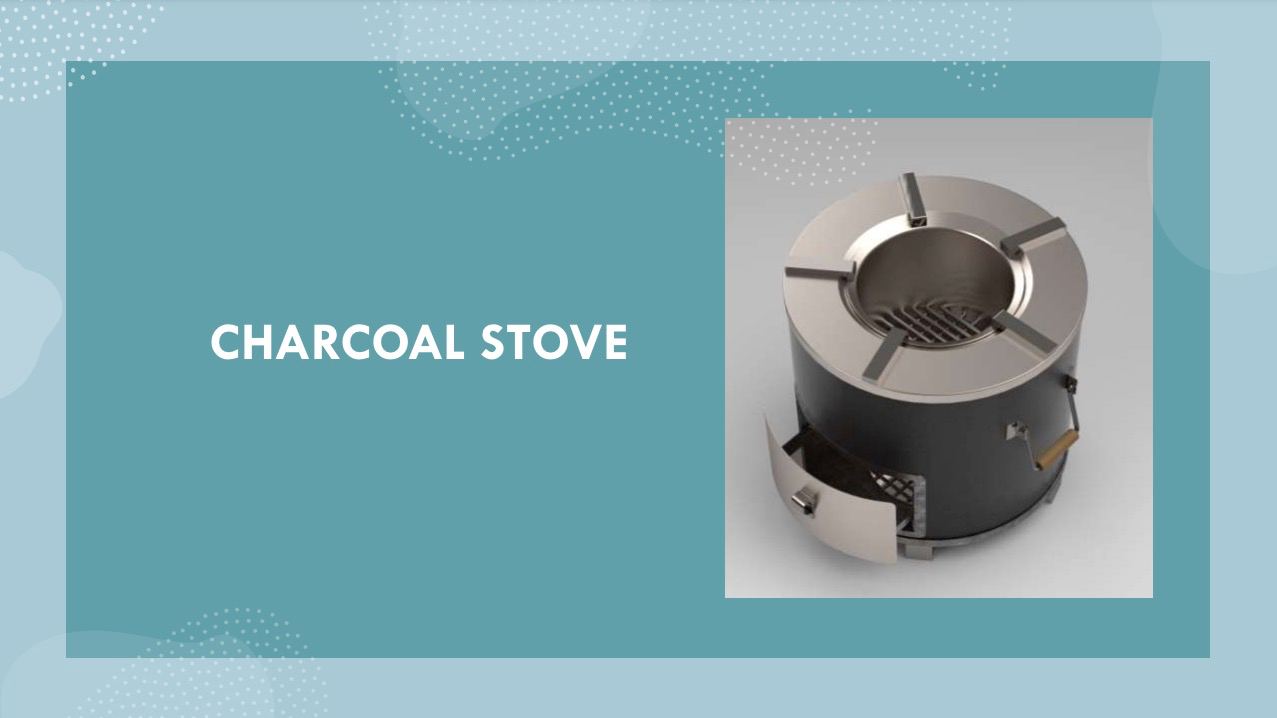
Our focus is on designing, manufacturing and distributing cost-effective, energy-efficient biomass stoves boasting an impressive 60% efficiency. By significantly reducing biomass fuel consumption during cooking, even when utilising firewood, our stoves contribute to lower carbon emissions and mitigate the risk of smoke inhalation, particularly affecting women and girls who play pivotal roles as primary caregivers.
Key to our initiative is the development of clean, solid biomass fuel that is highly compatible with the biomass stoves and is made using wood derived from invasive bush trees, rampant across Botswana’s rangelands and farmlands. Bush encroachment, a wide-scale environmental problem in Botswana, can be strategically addressed through the controlled depopulation of these trees. Our project not only creates a value-added biomass fuel product from these invasive bush trees, but also directly combats the resultant land degradation—a pervasive issue leading to biodiversity loss, prolonged droughts, and significant challenges for smallholder farmers.
Our integrated approach aligns clean energy solutions with environmental conservation and restoration, providing accessible and affordable alternatives for households, small businesses, and in the long term – public institutions.Proving that access to clean cooking is at the nexus of many other SDGs, us addressing the urgent need for clean and affordable heating energy in our communities simultaneously has a ripple effect on other multifaceted sustainable development problems of poverty and livelihoods, environmental degradation, biodiversity loss, and adverse impacts on local agricultural practices and food production.